Appetite Suppressant Side Effects, Explained: Stimulant vs Fiber
Quick Answer: What Are the Most Common Appetite Suppressant Side Effects?
Appetite suppressant side effects split cleanly by type. Stimulant suppressants like caffeine and synephrine cause jitters, a faster heart rate, raised blood pressure and insomnia. Fiber suppressants like glucomannan or psyllium mainly cause bloating and gas, usually only when water intake is too low. Most reactions are dose-related, avoidable and fade as your body adapts.
- Stimulant types: jitters, raised heart rate, anxiety, poor sleep.
- Fiber types: bloating, gas and cramping if fluids are low.
- Best defense: start low, go slow, and drink more water with fiber.

You have probably read the promise a hundred times: take this and your hunger disappears. What the promise rarely mentions is the fine print, and the fine print is where appetite suppressant side effects live. The uncomfortable truth is that anything strong enough to change how hungry you feel is doing something real inside your body, and "doing something real" always carries a cost. The good news is that the cost is predictable, and once you understand the two very different machines hiding behind the words "appetite suppressant," you can choose the one whose side effects you can live with. That is the entire point of this article: not to scare you off, but to let you shop with your eyes open.
We are going to separate the category into its two honest halves, walk through what each one does to your body, show you how to minimize the discomfort, and knock down a few myths that cost people money and comfort along the way. No disease claims, no miracle language, just the mechanisms and the trade-offs.
The two families: stimulant suppressants and fiber suppressants
Almost every appetite suppressant on the shelf belongs to one of two families, and they could hardly be more different.
Stimulant suppressants work on your nervous system. Caffeine is the classic example, but the category also includes synephrine (bitter orange), green tea extract at high doses, yohimbine, and older prescription molecules. They dull hunger by nudging your body into a mild fight-or-flight state, which raises alertness and temporarily lowers the drive to eat. The appetite effect is a side effect of that arousal, not the main event. The NIH Office of Dietary Supplements review of weight-loss ingredients catalogues the same compounds and the adverse effects reported with them.
Fiber suppressants work mechanically, in your stomach and gut, and never touch your nervous system at all. Soluble fibers such as glucomannan, psyllium and beta-glucan absorb water and swell into a soft gel that takes up space and slows the rate at which your stomach empties. You feel full sooner and stay full longer, because there is physically more in your stomach and it is leaving more slowly. Nothing is being done to your heart or your brain chemistry. It is worth knowing what that buys you: a meta-analysis of glucomannan trials found no statistically significant effect on body weight, so the honest claim for this family is tolerability and fullness rather than weight loss.
That single structural difference — nervous system versus gut — explains almost everything about why the side effect profiles diverge so sharply. Keep it in mind, because it is the thread that runs through the rest of this piece.
Stimulant appetite suppressant side effects
Because stimulants borrow your stress response to blunt hunger, their side effects read like a list of what happens when you are stressed or over-caffeinated. In practice, the most commonly reported are:
- Jitters and restlessness — the classic "too much coffee" feeling of shaky hands and an inability to sit still.
- A raised heart rate — a genuinely faster pulse, sometimes noticeable as palpitations, which is why cardiovascular-sensitive people are told to be careful.
- Higher blood pressure — usually modest and temporary in healthy people, but a real concern for anyone already managing hypertension.
- Insomnia and broken sleep — especially when the dose is taken in the afternoon, because stimulants have a long tail.
- Anxiety and irritability — the same arousal that suppresses hunger can tip into feeling wired and on edge.
- Digestive upset and dehydration — some stimulants act as mild diuretics or loosen the bowels.
None of these are exotic. They are the familiar downsides of stimulation, dialed up by a supplement designed to keep you in that state longer than a single cup of coffee would. The trouble is the tail: a stimulant that curbs your appetite at 3pm can still be disrupting your sleep at 11pm, and poor sleep quietly increases hunger the next day. That is one reason we spent a whole article on the way blood sugar and fatigue drive cravings in the 3pm energy slump, blood sugar and snacking — the afternoon is exactly when many people reach for a stimulant and set up a bad night.
Who should be most cautious with stimulant suppressants? Anyone with high blood pressure, a heart rhythm problem, an anxiety disorder, or a sensitivity to caffeine. Combining several stimulant products at once — a pre-workout, a fat burner and three coffees — is where the genuinely worrying reactions tend to happen. Stacking is the risk, not a single sensible dose.
Fiber appetite suppressant side effects
Fiber's side effects are an entirely different animal, and they almost never involve your heart or your sleep. Because a soluble fiber does its work in the gut, the complaints are digestive:
- Bloating — the sensation of fullness and pressure as fiber swells and gut bacteria get to work on it.
- Gas — a normal byproduct of bacteria fermenting fiber, most noticeable in the first week or two.
- Mild cramping or changes in stool — either looser or firmer, depending on the fiber and your fluid intake.
- A feeling of blockage if taken dry — the one genuinely important warning, covered below.
Here is the part that matters most and gets skipped most often: almost all of these are caused or worsened by too little water. Soluble fiber is a sponge. Give it enough fluid and it forms the soft, slippery gel that gently curbs appetite and moves comfortably through you. Give it too little and it competes for the water already in your gut, which is what produces the bloating, the cramps and, in rare cases with dry powder taken without liquid, a genuine choking or obstruction risk. That last scenario is why glucomannan products carry a warning to take them with a full glass of water and never dry. Mayo Clinic's guidance on adding dietary fibre makes the same two points: increase the amount gradually, and increase fluids with it.
So fiber side effects are real, but they are largely a hydration and pacing problem rather than a chemistry problem. That is a very different kind of risk from a racing heart, and it is the core reason safety-minded shoppers gravitate toward fiber. It is also why we keep coming back to the boring fundamentals in pieces like what spirulina and chlorella research shows about appetite, where the honest active ingredient turned out to be, once again, protein and fiber rather than anything exotic.
Stimulant vs fiber: the side effects side by side
| Factor | Stimulant suppressants | Fiber suppressants |
|---|---|---|
| How it works | Acts on the nervous system | Swells mechanically in the gut |
| Typical side effects | Jitters, fast heart rate, insomnia, anxiety | Bloating, gas, cramping |
| Touches heart & blood pressure? | Yes | No |
| Affects sleep? | Often, if taken late | No |
| Main cause of discomfort | Dose and stacking | Too little water; ramping too fast |
| Who should be cautious | Heart, blood pressure, anxiety, caffeine-sensitive | Anyone with swallowing issues or existing gut disorders |
| Does discomfort fade? | Only if you lower the dose | Usually, as gut bacteria adapt |
The pattern is hard to miss. Stimulant side effects are systemic and touch the parts of the body you least want to gamble with. Fiber side effects are local, digestive and, crucially, fade as your body adjusts. Neither is "free," but they are not the same category of risk.
Prefer a non-stimulant approach?
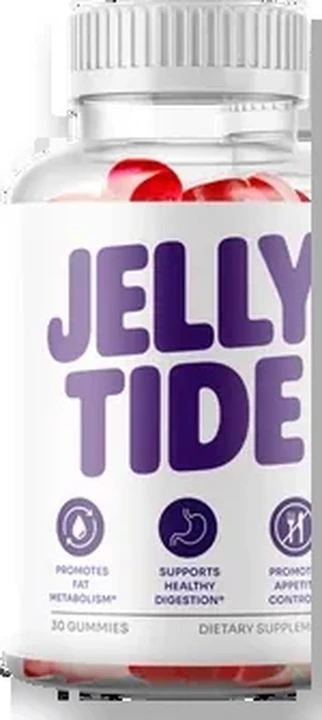
If the racing-heart, can't-sleep class of side effects is what worries you, a stimulant-free format is the obvious place to start. JellyTide is a once-daily apple cider vinegar and BHB gummy with no caffeine and no stimulants, so it sidesteps the jitters-and-heart-rate family entirely.
See the current JellyTide offerHow to minimize appetite suppressant side effects
Most of the misery in this category is self-inflicted and completely avoidable. The rules are simple and they work for both families.
Start low and go slow. This is the single most valuable habit. Whether it is a stimulant or a fiber, begin with the smallest reasonable dose and stay there for several days before increasing. With stimulants, this tells you your true sensitivity before you are locked into a jittery afternoon. With fiber, it gives your gut bacteria time to adapt, which is precisely what prevents the worst of the bloating and gas. People who dump a full dose of fiber into day one and then swear off it forever were never going to feel good; they skipped the ramp.
Drink more water, especially with fiber. Take every fiber dose with a full glass of water, and keep your fluid intake up across the whole day. This is not optional advice — it is the mechanism. Without water there is no gel, and without the gel you get discomfort instead of fullness. If you increase fiber, increase fluids in the same breath.
Mind the timing. Take stimulant suppressants in the morning so their long tail does not wreck your sleep. Take fiber suppressants ten to thirty minutes before a meal, so the gel has formed by the time you sit down to eat. Spreading doses out beats piling them together.
Read the label for hidden stimulants. Products called "fat burner," "metabolism support" or "energy" are very often stimulant stacks in disguise. If a supplement makes your heart race, the answer is on the label. Knowing what is actually in the bottle is why we always point readers back to the transcribed panel on the full JellyTide ingredient list rather than the marketing copy.
Do not stack. The single biggest driver of alarming reactions is combining multiple stimulant products, or a suppressant plus a lot of coffee. One considered choice beats a pile of overlapping ones.

Three myths that cost people comfort and money
Myth one: "natural means no side effects." This is the most expensive belief in the whole aisle. Caffeine, synephrine and yohimbine are all perfectly natural, and all three can race your heart. Glucomannan is a natural fiber, and it still bloats you if you skip the water. Natural describes where an ingredient came from, not how gently it behaves. The relevant question is never "is it natural," it is "what does it do and at what dose."
Myth two: "if a little curbs my appetite, more will curb it faster." Almost every side effect in this article scales with dose. Double a stimulant and you double the jitters long before you double the appetite effect, because tolerance builds on the appetite side while the cardiovascular side keeps climbing. Double a fiber too quickly and you overwhelm your gut's ability to adapt. More is not faster; more is just more side effects.
Myth three: "a suppressant is the whole solution." Even a well-tolerated appetite suppressant is a small assist, not a plan. It can make a sensible calorie target easier to hold, which is genuinely useful, but it cannot manufacture a result on its own. The unglamorous fundamentals — protein at each meal, fiber from real food, resistance training, sleep, and a calorie intake you can sustain for a year — do the heavy lifting. We made the same point about a fashionable nutrient in our look at vitamin D status and body weight, where the famous correlation ran backward from what everyone assumed.
Where JellyTide fits in the side-effect picture
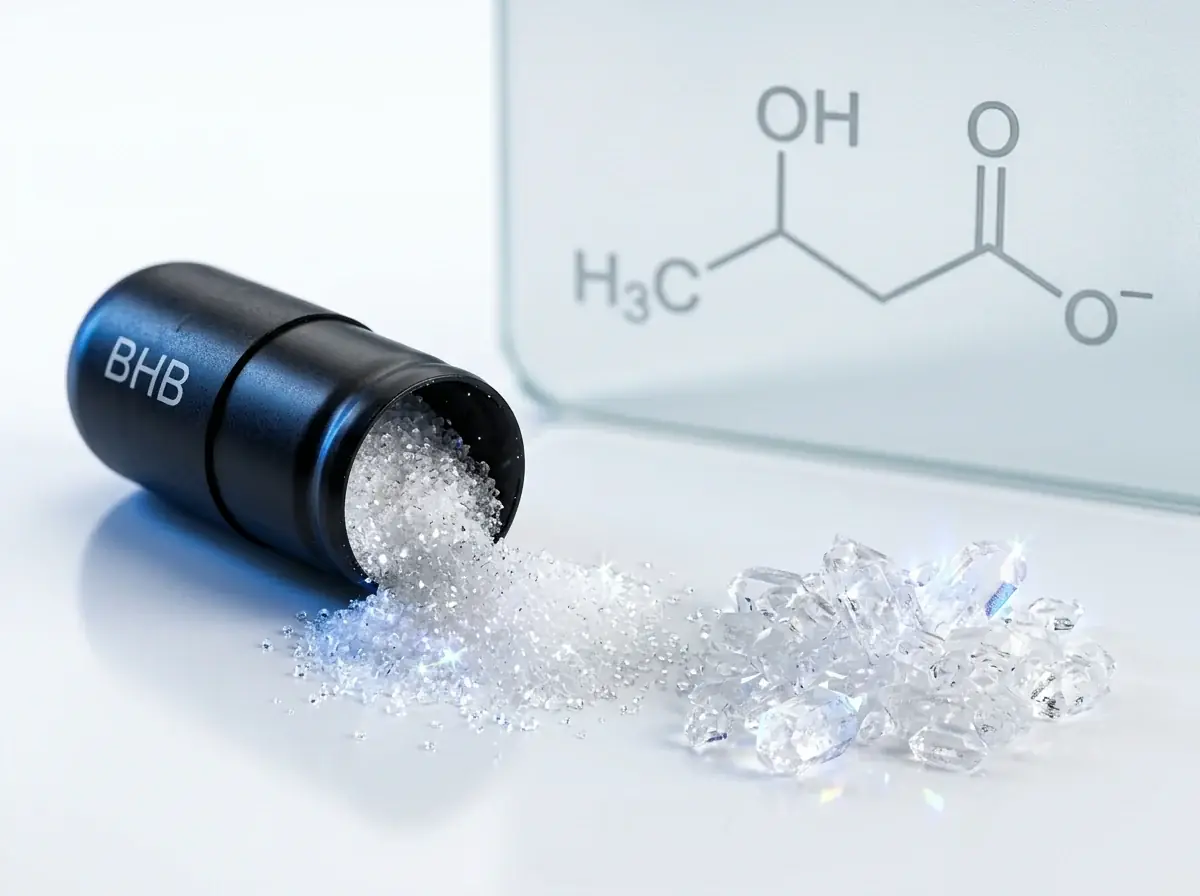
For clarity, and because we are an affiliate publisher rather than the manufacturer, here is the honest placement. JellyTide is a once-daily gummy built around a 525 mg blend of apple cider vinegar with beta-hydroxybutyrate calcium, magnesium and sodium. It contains no caffeine and no stimulants, which means it does not belong to the family that raises heart rate, spikes blood pressure or wrecks sleep. For a buyer whose main fear is the jitters-and-palpitations class of side effects, that non-stimulant format is the reassuring part.
What we will not do is pretend it is a bulk-fiber suppressant, because it is not. If your goal is specifically the mechanical, stomach-filling fullness of a soluble fiber, a dedicated glucomannan or psyllium product — taken with plenty of water — is the more literal tool, and whole-food fiber from beans, oats and vegetables is the gold standard that no capsule beats. JellyTide's narrower and better-supported angle is the acetic acid in apple cider vinegar, which small human trials suggest can blunt the glucose response to a carbohydrate meal, most likely by slowing gastric emptying. That is a modest, honest claim, and it sits comfortably in the non-stimulant, low-drama corner of this category.
The practical takeaway is the same one we give for every product on this site: match the side-effect profile to your own body before you match the marketing to your hopes. If you have a heart or blood pressure concern, steer away from stimulants and toward fiber or a non-stimulant format. If you have a sensitive gut or trouble swallowing, respect fiber's warnings, ramp slowly and drink up. And if a supplement ever makes you feel genuinely unwell, stop it and read the label — the cause is almost always printed right there.
Medical note: this article is general wellness information, not medical advice, and it summarises published evidence rather than making a product claim. JellyTide is a dietary supplement, not a drug, and is not intended to diagnose, treat, cure or prevent any disease. Speak to a healthcare professional before starting any supplement, especially if you are pregnant, nursing, have a heart or blood pressure condition, or take medication.
Related reading
- How to curb your appetite naturally without reaching for stimulants
- Berberine versus fiber jelly for weight loss: which mechanism wins
- How the best-selling weight loss pills compare with a fiber jelly
Frequently asked questions
What are appetite suppressant side effects?
They depend entirely on the type. Stimulant suppressants such as caffeine and synephrine tend to cause jitters, a raised heart rate, higher blood pressure, anxiety and insomnia. Fiber-based suppressants such as glucomannan or psyllium mainly cause bloating, gas or mild cramping, usually only when fluid intake is too low. Most reactions are dose-related and settle as your body adjusts.
Are fiber suppressants safer than stimulants?
For most healthy adults, fiber is the gentler category because it works mechanically in the gut rather than acting on the nervous system and heart. Its side effects are digestive and manageable, whereas stimulant side effects touch heart rate, blood pressure and sleep. Fiber still deserves respect: taken dry or without enough water it can cause discomfort, so it is not risk-free, only lower risk for cardiovascular-sensitive people.
How do I avoid bloating from fiber?
Start with a small dose and increase it over one to two weeks so your gut bacteria adapt gradually. Drink a full glass of water with each serving and keep fluids up through the day, because fiber needs water to form the soft gel that curbs appetite. Take it before meals rather than piling several doses together, and expect some early gas that usually fades within a week or two.
Can appetite suppressants raise heart rate?
Stimulant appetite suppressants can. Caffeine, synephrine and similar compounds speed the heart and can raise blood pressure, which is why people with heart conditions, high blood pressure or anxiety are often advised to avoid them. Fiber-based and other non-stimulant options do not act on the cardiovascular system, so they do not typically raise heart rate. If a supplement makes your heart race, stop and check the label for stimulants.
Sources
- NIH Office of Dietary Supplements — Dietary Supplements for Weight Loss
- Mayo Clinic — Dietary fiber, adding it slowly and with fluids
- U.S. FDA — Questions and Answers on Dietary Supplements
- Onakpoya I et al. — The efficacy of glucomannan supplementation in overweight and obesity: a systematic review and meta-analysis of randomized clinical trials (Journal of the American College of Nutrition, 2014; PMID 24533610)
- American Heart Association — Losing weight and stimulant cautions
Choose the side effects you can live with
If a stimulant-free, once-daily format is what your body prefers, the complete JellyTide Supplement Facts panel is transcribed on the home page — no caffeine, no hidden stimulants, just the 525 mg apple cider vinegar and BHB blend. If the label answers your questions, the current offer is one click away.
Check availability and the current offer