Best Weight Loss Pills vs a Fiber Jelly
Quick Answer: Best Weight Loss Pills vs a Fiber Jelly?
The best weight loss pills and a soluble-fibre jelly aim at the same goal from opposite directions. Most fat-burner pills lean on caffeine and stimulants to push energy use; a fibre jelly works quietly through fullness. The pills promise more and cost you more in side effects and sleep, while the gentle route is easier to sustain — and lasting results come from habits either way.
- Pills: stimulant-driven, faster-feeling, harder on sleep and heart rate.
- Fibre jelly: stimulant-free, gentle, works through satiety.
- The deciding factor: which one you can actually keep up for a year.

What people mean by the best weight loss pills
Roughly 18,000 people a month search for the best weight loss pills, and the phrase hides a wide spread of very different products. At the top, in evidence terms, sit prescription medicines that a doctor prescribes and monitors. But most of what gets marketed as “the best” on the open shelf is a stimulant fat-burner: caffeine, green tea extract, guarana and similar ingredients that raise your heart rate and energy expenditure a little while blunting appetite. The word “best” in these listings usually means “strongest-feeling,” not “most sustainable” or “safest.”
That is the gap this comparison is really about. A stimulant pill gives you a sensation — the racing, slightly buzzy feeling that people read as “it’s working.” A soluble-fibre jelly gives you almost no sensation at all; it simply makes you a little less hungry at the next meal. Judged by feel, the pill wins easily. Judged by side effects, sustainability and whether you will still be taking it in six months, the picture flips.
How a soluble fiber jelly works instead
A fibre jelly is the gentle archetype at the other end of the spectrum. Soluble fibres such as glucomannan absorb water and form a soft gel in the stomach, which takes up space, slows digestion slightly, and helps fullness arrive sooner and last longer. There is no stimulation involved and nothing you have to feel. The entire effect is that you turn up to your next meal a bit less ravenous, and over weeks that can shave a modest amount off your intake without willpower doing all the work. Be clear-eyed about the ceiling here too: a meta-analysis of glucomannan trials found no statistically significant weight difference against placebo.
The catch is small and manageable: fibre needs water to swell safely, so a jelly or gel is taken with fluid and never dry. Do that, and the safety profile is about as benign as weight-loss aids get. This is why, for a buyer whose priority is the fewest side effects rather than the biggest jolt, the fibre route is usually the sensible default.

Mechanism: stimulation versus satiety
Strip the marketing away and the two approaches differ at the level of mechanism. Stimulant pills work on your nervous system: more adrenaline-like signalling, a slightly higher metabolic rate, a temporarily dulled appetite. Fibre works on your gut: physical bulk and slower emptying, which your body reads as fullness. One borrows energy from your stress response; the other gently changes how a meal feels. The size of that effect was measured decades ago: a respiration-chamber study of ordinary caffeine intake measured the whole gain at 150 kcal a day in lean volunteers and 79 in postobese ones: real, and nothing like the transformation a fat-burner label implies.
Neither mechanism, on its own, is large. The honest headline is that the difference between the best over-the-counter pill and a gentle fibre jelly is smaller than either marketing budget suggests, because both are small next to a calorie deficit. Where they genuinely diverge is not in how much weight they move — it is in what they cost you to take. For a fuller map of every over-the-counter category and where each mechanism lands, see the full breakdown of over-the-counter weight loss pill categories.
Want the gentle route in a single daily gummy?
If the stimulant-free, satiety-first side of this comparison is the one you want, it is worth seeing how a once-daily gummy is priced and guaranteed before you decide.
See the current JellyTide offerSide effects: the real dividing line
This is where the comparison stops being close. Stimulant fat-burners raise heart rate and blood pressure, interfere with sleep, and produce a jittery high followed by an afternoon crash. For some people they trigger anxiety or palpitations, and stacking them with coffee or a pre-workout compounds the risk. The stimulant route also has a self-defeating twist: poor sleep is itself associated with more hunger and worse food choices the next day, so a pill that wrecks your sleep can quietly work against the very goal you bought it for. If side effects are your deciding factor, we break the two families apart in appetite suppressant side effects explained, including which of them are avoidable.
A fibre jelly’s worst-case side effects are mild bloating and gas that settle as your gut adjusts and you drink enough water. Nothing about it costs you sleep or spikes your heart rate. If you rank options purely by the fewest side effects, the gentle jelly does not just win — it is playing a different, safer game.
There is also a hidden interaction cost with stimulant pills that rarely makes the label. If you already drink coffee, tea or energy drinks, a stimulant fat-burner stacks on top of a caffeine load you may not be counting, pushing some people past the point where they feel comfortable. It can also blunt appetite in a way that backfires: skipping meals under a stimulant often leads to overeating later when it wears off. A gentle option has none of that arithmetic to track — it does not compete with your morning coffee or interact with your afternoon slump, which is one less variable to manage.
Sustainability: what you can keep doing for a year
Lasting weight change is not decided in the first two weeks; it is decided by what you can keep doing for a year. That is the quiet reason the gentle route so often out-performs the “best” pills in real life. A stimulant fat-burner tends to have a short shelf life in your routine: tolerance builds, sleep suffers, and most people cycle off. A gentle daily habit that asks nothing of your nervous system is far easier to keep going, and consistency is what compounds.
Cost feeds into sustainability as well. A product you resent paying for every month is one you will quietly stop taking, and an aid you have stopped taking helps nobody. The gentle route tends to win here too: simple, stimulant-free formats are usually cheaper to keep up than premium fat-burners, and a money-back guarantee lets you find out whether something suits you before you are locked into the full cost. Judge value over a realistic three-month horizon, not by the price of one bottle.
None of this means a product does the work. Habits drive lasting results — a modest calorie deficit, more protein and fibre, movement you enjoy, and enough sleep. The right supplement is the one that supports those habits without sabotaging them. On that test, a stimulant-free option that you barely notice is a better teammate than a fat-burner that keeps you up at night. The NIH Office of Dietary Supplements assessment of weight-loss supplements reaches the same verdict after reviewing the trial evidence ingredient by ingredient.
Three assumptions worth challenging
“Stronger is better.” Stronger usually means more stimulant, which means more side effects, not more fat lost. The strength you can feel is rarely the strength that changes the scale; that comes from the calorie deficit underneath.
“Results should be fast.” The buzz of a stimulant is fast; fat loss is not. Chasing the fast feeling is how people end up cycling through products and never staying with the boring routine that actually works.
“A pill means I can skip the diet.” No pill, stimulant or gentle, overrides energy balance. If the eating pattern does not change, neither does the outcome — and that is true of the best weight loss pills and the gentlest jelly alike.
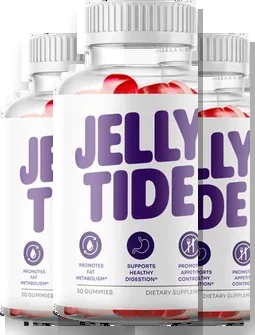
Where JellyTide sits in this comparison
To be straight about our own product: JellyTide is not a soluble-fibre jelly, and we will not pretend it is. It is a stimulant-free apple cider vinegar and BHB gummy, built around a 525 mg blend with the amounts printed on the panel. But on the axis this whole comparison turns on — stimulant versus gentle — it lands firmly on the gentle side. There is no caffeine, no thermogenic buzz, and nothing you have to feel. Its acetic acid nudges satiety and blunts the post-meal glucose curve a little, which is the same soft, sustainable kind of effect that makes a fibre jelly appealing.
So if you came to the “best weight loss pills” question hoping for the strongest possible stimulant, JellyTide is not that, and we would not sell it to you as that. If instead you have decided that the fewest side effects and the best chance of sticking with it for a year matter more than a sensation, then a stimulant-free daily gummy belongs on your shortlist right next to a fibre jelly. If you want to dig further into one popular pill ingredient against the gentle approach, our berberine versus fiber jelly comparison goes deeper.
| Factor | Best weight loss pills (stimulant) | Soluble fiber jelly | JellyTide (ACV + BHB gummy) |
|---|---|---|---|
| Main mechanism | Stimulation, raised energy use | Fullness from a gel in the stomach | Gentle satiety & blood-sugar nudge |
| Stimulants | Yes — usually caffeine-based | None | None |
| Typical side effects | Jitters, raised heart rate, poor sleep | Mild bloating; needs water | Mild; take with water |
| Sustainability | Often cycled off; tolerance builds | Easy to keep up | Easy once-daily habit |
| Best for | Short-term jolt seekers | Fewest-side-effect buyers | Stimulant-free, transparency-minded buyers |
Medical note: this article is general wellness information, not medical advice, and it summarises published evidence rather than making a product claim. JellyTide is a dietary supplement, not a drug, and is not intended to diagnose, treat, cure or prevent any disease. Speak to a healthcare professional before starting any supplement, especially if you are pregnant, nursing or taking medication.
Related reading
- Over-the-counter weight loss pills explained
- Berberine vs a fiber jelly for weight loss
- Where to buy JellyTide and what it costs
Frequently asked questions
What are the best weight loss pills?
There is no single best pill for everyone. The best-evidenced options are prescription weight-loss medicines prescribed and monitored by a doctor. Among things you can buy over the counter, fibre-based aids have the strongest safety record, while stimulant fat-burners produce small effects at the cost of jitters and poor sleep.
Are weight loss pills worth it?
It depends on the pill and your expectations. Prescription drugs can be worth it under medical supervision. Most over-the-counter pills deliver a small assist at best, and only if you also fix diet, activity and sleep. A pill that disrupts your sleep, or one you cannot afford to keep taking, is rarely worth it.
Pills vs fiber for weight loss?
Fibre and stimulant pills work in opposite ways. Fibre adds fullness so you naturally eat a little less, with a benign safety profile. Stimulant pills push energy expenditure and appetite through caffeine-type effects, which are harder on sleep and the heart. For a sustainable, low-side-effect route, the fibre approach usually wins.
Which weight loss pill has the fewest side effects?
Among common options, soluble-fibre aids have the fewest side effects, mostly mild bloating that eases with water. Stimulant fat-burners have the most. A stimulant-free gummy such as JellyTide sits at the gentle end too, working through appetite and digestion rather than raising your heart rate.
Sources
- NIH Office of Dietary Supplements — Dietary supplements for weight loss
- Dulloo AG et al. — Normal caffeine consumption: influence on thermogenesis and daily energy expenditure in lean and postobese human volunteers (American Journal of Clinical Nutrition, 1989; PMID 2912010)
- Harvard T.H. Chan School of Public Health — Fibre, fullness and weight
- CDC — Sleep, appetite and health
- Mayo Clinic — Weight loss and energy balance
Choose the route you can actually sustain
If the fewest-side-effect, stimulant-free side of the best weight loss pills debate is where you want to be, see how the once-daily JellyTide gummy is priced and what the 60-day guarantee covers before you commit.
Check availability and the current offer