Gut Health Supplements Green with Algae: What Spirulina and Chlorella Research Shows
Quick Answer: Are Gut Health Supplements Green with Algae Worth Taking?
Spirulina and chlorella are genuinely nutrient-dense foods in powder form, and that is the strongest honest claim for them. The appetite research is thin: a handful of small, short human trials with mixed results, and no convincing evidence that either organism suppresses hunger beyond what its protein and fibre content would predict. Treat them as concentrated food, not as an appetite mechanism.
- Best supported: nutrient density, particularly protein, iron and carotenoids.
- Weakly supported: direct effects on appetite, fullness or body weight.
- Worth checking: third-party purity testing, because open-pond algae can pick up contaminants.

Two different organisms sold under one colour
Walk the gut health supplements green aisle and two names dominate, usually side by side and often described as if they were interchangeable. They are not.
Spirulina is not an alga in the strict sense at all. It is a cyanobacterium, from the genus Arthrospira, historically called blue-green algae because of its colour, which comes from a pigment-protein called phycocyanin sitting alongside chlorophyll. It has no rigid cellulose cell wall, which makes it easy to digest straight out of the dryer.
Chlorella is a true single-celled green alga. It is roughly spherical, a few micrometres across, and it is wrapped in a tough cellulose wall that human digestion cannot get through. This matters commercially: chlorella has to be processed, by pressure, milling or another cracking method, or most of what you swallow passes through untouched. A chlorella product that does not say "cracked cell wall" or equivalent on the label is worth a second look.
Both are grown in water and harvested, dried and pressed into tablets or milled into powder. Both are foods first and supplements second, which is a more useful way to think about them than the marketing allows.
What the nutrition data actually shows
This is where the two organisms earn their reputation, and the numbers are not in dispute. Spirulina is roughly 60 per cent protein by dry weight, which is extraordinary for a plant-type food, and that protein contains all the essential amino acids. It carries iron, B vitamins, and carotenoids including beta-carotene and zeaxanthin. Chlorella is somewhat lower in protein and higher in chlorophyll, and it is a notable source of iron and vitamin A precursors, with meaningful vitamin K.
Two honest caveats belong right next to those facts. The first is portion size. Sixty per cent protein sounds transformative until you notice that a typical daily serving is a few grams, which makes the actual protein contribution a couple of grams — less than a single egg. Nutrient density per gram is not the same as nutrient contribution per day.
The second is vitamin B12. Spirulina is frequently marketed as a B12 source for people who eat no animal products. Most of the B12 that shows up in laboratory assays of spirulina is a corrinoid analogue that human metabolism cannot use, and there is a reasonable argument that these analogues can interfere with absorption of the real thing. Anyone relying on spirulina for B12 should not be. That is one of the clearer harms in this category, because the consequence of a missed B12 deficiency is neurological rather than cosmetic.
A supplement that is nutritionally impressive per gram and nutritionally trivial per serving is not lying to you. It is just letting you do the arithmetic yourself, and most people never do.
The appetite research, in proportion
Here is the section that most pages skip. The direct human evidence that green algae reduce appetite is limited: a small number of short trials, generally with a few dozen participants, measuring self-reported fullness or intake at a test meal. Results have been mixed, the studies are heterogeneous in dose and preparation, and a good number of them come from research groups with an interest in the ingredient.
Pooled analyses of spirulina and body weight do exist and tend to report small reductions, but the underlying trials are small and varied enough that a cautious reader should treat the pooled figure as a hypothesis rather than a result. Nothing in that literature approaches the confidence of, say, the evidence that a higher-protein diet increases satiety.
And there is a simpler explanation available for whatever effect does show up. Take five grams of a food that is majority protein and partly fibre, with water, before a meal, and you have done a mild version of what any protein-and-fibre preload does. That is not a criticism of algae. It is an argument that the mechanism is ordinary, which in turn means you can get the same effect from ordinary food.
| Option | Typical amount used in studies | What it is best at | Evidence for appetite or weight |
|---|---|---|---|
| Spirulina | 1 to 8 g per day, powder or tablets | Protein density, iron, carotenoids | Weak. Small, mixed, short trials |
| Chlorella (cracked cell wall) | 5 to 10 g per day | Chlorophyll, iron, vitamin A precursors | Weak. Fewer trials than spirulina |
| Mixed greens powder | Varies; often one scoop, undisclosed split | Convenience | Essentially none as a formula |
| Whole vegetables | Several servings a day | Fibre, volume, micronutrients, cost | Strong, via fullness and food displacement |
| Apple cider vinegar | 15 to 30 ml with a carbohydrate meal | Acetic acid, slower gastric emptying | Modest, from small short trials |
The fourth row is the uncomfortable one for everyone selling the other four. Vegetables win on evidence, on cost and on volume, and no powder has yet displaced them.
Where a supplement is worth the money
A supplement earns its place when it is cheap, easy to keep up and honest about its ceiling. That is the standard we apply here, and it is why people hunting for the best gut health supplement usually do better comparing disclosed milligrams than comparing claims.
See the current JellyTide offerThe gut angle, examined honestly
Why does an algae powder end up in the digestive section at all? Three arguments get made, and they are not equally strong.
Fibre and cell wall material. Chlorella's cellulose wall, once cracked, is fibre, and fibre is food for colonic bacteria. This is real, but the quantity in a daily serving is small next to the fibre in a bowl of beans or a couple of pieces of fruit.
Effects on the microbiome. There is laboratory and animal work suggesting algal polysaccharides shift bacterial populations. Human data is early and inconsistent, and shifting a population is not automatically a benefit. This is an interesting research area, not a finished conclusion.
Binding and detoxification. The strongest version of this claim — that chlorella removes heavy metals from your body — goes far beyond what human evidence supports and belongs in the marketing column, not the science column. Some binding is demonstrable in a test tube. What that does inside a person over a normal diet is not established.
Shoppers who type "gut health supplements green" into a search bar are usually hoping for something that fixes bloating, digestion and weight in one scoop. No product in this category has demonstrated that, and the ones that imply it are relying on the fact that few people read past the headline.

Purity, safety and who should be careful
This is the part of the algae story that deserves more attention than it gets. Spirulina is often grown in open ponds, and open ponds can host other cyanobacteria that produce microcystins, a family of liver toxins. Contaminated batches have been documented. The mitigation is straightforward but not automatic: buy from producers who publish third-party testing for microcystins and heavy metals, and be sceptical of unbranded bulk powder.
Beyond contamination, several groups have specific reasons for caution:
- Phenylketonuria. Spirulina is high in phenylalanine and is not appropriate for anyone managing PKU.
- Warfarin and similar anticoagulants. Chlorella carries meaningful vitamin K, which interacts with these medicines. This needs a clinician's input, not a guess.
- Autoimmune conditions. Algae are sometimes promoted as immune stimulants. If your immune system is already being managed medically, that is a conversation to have first.
- Iodine-sensitive thyroid conditions. Seaweed products vary enormously in iodine; spirulina and chlorella are lower than kelp but worth checking on the label.
- Pregnancy and nursing. Safety data is limited, which is a reason for caution rather than a demonstrated problem.
What green algae supplements cannot do
Directly, because the category is unusually prone to overstatement. These are dietary supplements. They do not diagnose, treat, cure or prevent any disease, and nothing on this page suggests otherwise.
Beyond that, the practical limits are these. They cannot detoxify you in the way the word is used in marketing; your liver and kidneys already handle that and no powder improves on them. They cannot replace vegetables, because a few grams of powder does not supply the fibre or the volume of a plate of food. They cannot supply usable B12 in the case of spirulina. They cannot create a calorie deficit. And they cannot be assumed clean without testing, which is the single most important practical point in this article.
That pattern — a real nutrient, a plausible mechanism, and a claim that outruns both — repeats across the whole supplement shelf. We took the same approach to a different nutrient in our piece on vitamin D status and body weight, where a famous correlation turned out to run in the opposite direction from the one everyone assumed.
How this compares with what we cover
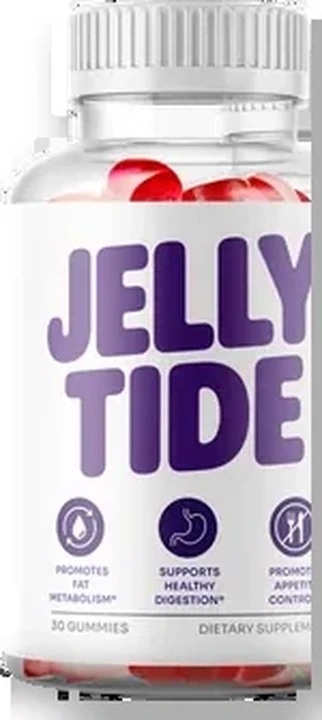
For clarity: JellyTide contains no spirulina and no chlorella. Its 525 mg blend is apple cider vinegar together with beta-hydroxybutyrate calcium, magnesium and sodium. If a green powder is what you want, buy a green powder from a producer that publishes purity testing, and do not pay for a gummy that does not contain one.
What the vinegar side has going for it is a narrower claim with slightly better support: small human trials suggest acetic acid taken with a carbohydrate meal lowers the glucose and insulin response, most likely by slowing gastric emptying. The trials used 15 to 30 millilitres of liquid vinegar, more acetic acid than a gummy delivers, and the effect was modest. That is a smaller promise than most green powders make, and it is closer to being true.
People comparing the apple cider vinegar gummies price across brands, or working out where to buy apple cider vinegar gummies at all, are generally after something cheap and easy to take every day. That is a sensible thing to want from a supplement. The mistake is expecting it to do the work that food, movement and sleep are doing.
A practical way to use any of this
If green algae appeal to you, treat them the way you would treat any concentrated food. Buy a single-ingredient product rather than a proprietary greens blend, so you know what you are getting and how much. Check for published third-party testing. Start at the low end of the studied range and see how your digestion responds, because loose stools and gas are common early complaints. And do not let the powder replace the vegetables it is derived from; it is a supplement to a plate, not a substitute for one.
If your actual goal is weight management, the ranking has not changed and it is not glamorous. Protein at every meal. Enough fibre from real food. Resistance training twice a week. Seven to nine hours of sleep. A calorie intake you can hold for a year rather than a fortnight. Everything discussed on this page is a rounding error next to those five things, and a supplement page that tells you otherwise is not describing the research it cites.
Medical note: this article is general wellness information, not medical advice, and it summarises published evidence rather than making a product claim. JellyTide is a dietary supplement, not a drug, and is not intended to diagnose, treat, cure or prevent any disease. Speak to a healthcare professional before starting any supplement, especially if you are pregnant, nursing or taking medication.
Frequently asked questions
What is the difference between spirulina and chlorella?
Spirulina is a cyanobacterium, sometimes called blue-green algae, and it has no tough cell wall. Chlorella is a true single-celled green alga with a hard cellulose wall that has to be cracked during processing or most of it passes through undigested.
Do green algae supplements reduce appetite?
The direct appetite evidence is thin. A small number of short human trials have looked at fullness and intake, with mixed results and few participants. Any effect is more plausibly explained by the protein and fibre content than by anything unique to algae.
Is the vitamin B12 in spirulina usable?
Mostly not. Much of the B12 measured in spirulina is a corrinoid analogue that human metabolism cannot use, and it can even interfere with the real thing. Anyone relying on spirulina as a B12 source should use a proven supplement instead.
How much spirulina or chlorella did studies use?
Human studies typically used 1 to 8 grams of spirulina a day and often 5 to 10 grams of chlorella, taken as tablets or powder. Those are grams, which is why the ingredient is sold by the scoop rather than inside a small blended capsule.
Sources
- PubMed — spirulina and body weight, randomised trials
- PubMed Central — chlorella supplementation in human trials
- NIH Office of Dietary Supplements — Vitamin B12 and corrinoid analogues
- Harvard T.H. Chan School of Public Health — Vegetables and Fruits
- Mayo Clinic — choosing and using dietary supplements safely
Read the label, then decide
The complete JellyTide Supplement Facts panel is transcribed and photographed on the home page, including the arithmetic on how much of the 525 mg blend can be ketone salt. If the label answers your questions, the current offer is one click away.
Check availability and the current offer