Over-the-Counter Weight Loss Pills Explained
Quick Answer: Do Over-the-Counter Weight Loss Pills Work?
Over-the-counter weight loss pills fall into three groups — fibre and bulking agents, fat-binders, and stimulant thermogenics — and they differ far more in safety than in results. Fibre has the most benign profile because it works through fullness. None of them replace a calorie deficit, and because they are sold as supplements rather than approved drugs, the label is your responsibility.
- Fibre & bulking agents: gentlest, work by fullness, need water.
- Fat-binders: modest, with the most digestive side effects.
- Stimulant thermogenics: mostly caffeine; watch heart rate and sleep.
What counts as an over-the-counter weight loss pill
Around 22,000 people search for over-the-counter weight loss pills every month, and most of them are picturing something the shelf cannot quite provide: a proven, regulated tablet that reliably takes weight off. In reality, almost everything sold this way is a dietary supplement, not an FDA-approved drug. That distinction is the single most important thing to understand before you spend a cent. Supplements are legal to sell without proving to the FDA that they work, and the agency mainly steps in after a safety problem, not before a marketing claim.
There is one notable exception worth naming for accuracy: orlistat, sold over the counter at a lower dose as alli, is an FDA-approved over-the-counter weight-loss drug. Nearly everything else in the aisle — the fat-burners, the metabolism boosters, the appetite gummies — is a supplement. Grouping them all under “over-the-counter weight loss pills” hides the fact that they behave very differently in your body and carry very different risks. So the useful way to think about the category is not brand by brand, but by mechanism. There are really only three. The NHS description of orlistat sets out how it is prescribed, what it does to fat absorption and why it is monitored.
Category one: fibre and bulking agents
The gentlest and best-understood group works by adding volume in the stomach. Soluble fibres such as glucomannan (from konjac root) and psyllium absorb water and swell into a gel, which slows digestion a little and helps you feel full sooner and for longer. That fullness is the entire mechanism, and it is an honest one: eat with more satiety, and it becomes easier to hold a calorie deficit. Fibre also feeds the bacteria in your gut and supports regularity, which is a genuine bonus. The honest ceiling on that group is worth stating: a meta-analysis of glucomannan trials found no statistically significant weight difference against placebo.
The safety profile here is the most benign in the whole category, with one firm caveat: you must take these with plenty of water. A fibre that swells before it reaches the stomach can cause choking or blockage, which is why bulking agents carry water warnings. Taken sensibly, though, fibre is the option most doctors are comfortable with, and it is the benchmark every other category should be measured against.
One honest footnote before you buy any fibre pill: you can get the same soluble fibre from food for a fraction of the price. Oats, beans, apples, chia and psyllium husk all deliver it, and most adults fall well short of the recommended 25 to 38 grams a day to begin with. A fibre supplement is a convenience, not a discovery. That does not make it a bad purchase — convenience is a real reason people stay consistent — but it is worth knowing the mechanism you are paying for is available on the grocery shelf too.

Category two: fat-binders and blockers
The second group aims to reduce how much fat your body absorbs. On the supplement side this means fibres like chitosan that claim to bind dietary fat; on the drug side it means orlistat, which blocks a fat-digesting enzyme. Orlistat has real, if modest, clinical evidence behind it. The supplement fat-binders have much weaker evidence.
The trade-off with this whole approach is digestive. When fat is not absorbed it has to leave the body, and the side effects — oily stools, urgency, gas — are the reason many people quit orlistat quickly. For a safety-minded buyer, fat-binders are rarely the first choice: the effect is small, and the side effects are the least pleasant in the category. If you are considering this route seriously, it is exactly the kind of decision to make with a pharmacist or doctor rather than off a shelf. We go through the tolerability trade-offs of the whole aisle in appetite suppressant side effects explained.
Category three: stimulant thermogenics
The loudest group is the fat-burners: caffeine, green tea extract, guarana, and sometimes more aggressive stimulants. They work by nudging up your energy expenditure and blunting appetite through stimulation. The problem is that the effect is small and the cost can be real. Stimulant blends raise heart rate and blood pressure, disturb sleep, and produce the jittery-then-crash pattern many people know from too much coffee. Stacking several stimulant products at once — a pre-workout, a fat-burner, and a coffee — is where genuine risk starts.
This is the category a safety-minded buyer should approach most cautiously, and the one where “natural” on the label means the least. A stimulant is a stimulant whether it comes from a green tea leaf or a laboratory. If a good night’s sleep matters to you, a stimulant fat-burner is often a poor trade.
Prefer the gentle, stimulant-free route?
If the benign end of the category is where you want to shop — transparent amounts, no caffeine, a mechanism you can explain — it is worth seeing how a simple daily gummy is priced.
See the current JellyTide offerWhere a gentle gummy like JellyTide fits
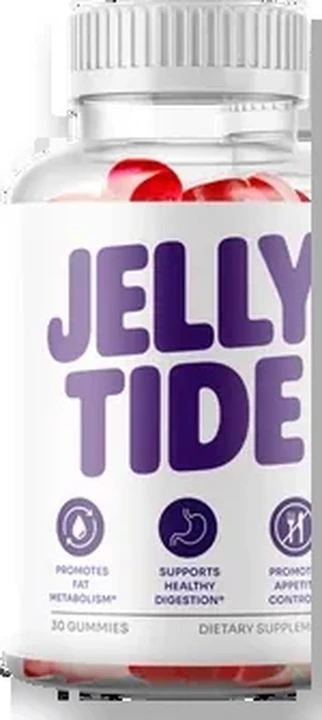
To be transparent about our own subject: JellyTide is not a fibre pill and it is not a stimulant fat-burner. It is a stimulant-free apple cider vinegar and BHB gummy, and its proposed benefit sits at the gentle, appetite-and-digestion end of the map rather than the thermogenic end. The acetic acid from the vinegar can modestly slow gastric emptying and nudge fullness; the mineral salts add a little calcium, magnesium and sodium. That is a small, honest effect — the same order of magnitude as the fibre group, and a world away from a stimulant.
Why does that placement matter for a safety-minded buyer? Because the two features that make an over-the-counter option low-risk are the ones JellyTide leads with: no stimulants, and amounts you can actually read on the panel. It will not out-perform a prescription drug, and we would never suggest it could. But within the category of things you can buy without a prescription, the stimulant-free, transparent options are the ones worth starting with — and a gummy you take once before a meal is about as low-friction as that gets.

Three assumptions that get buyers into trouble
“Over-the-counter means it is proven.” It does not. It means it is legal to sell without pre-market proof of effect. The FDA reviews approved drugs; it does not vet supplement claims in advance. Read “OTC” as “available,” never as “validated.” The FDA's own account of how it acts on dietary supplements explains why that gap exists and what the agency can do after a product is on sale.
“Natural means safe.” Some of the most powerful stimulants and the biggest recall stories in this category were plant-derived. Safety comes from the mechanism and the dose, not from where an ingredient grew. A benign profile is something you verify, not something the word “natural” guarantees.
“More products, more results.” Stacking a fat-burner with a fibre with a thermogenic tea multiplies the side effects far faster than the benefits. The safest approach is a single, transparent product with a mechanism you understand — then give it time before you add anything else. For a deeper comparison of one popular ingredient against the gentle route, see how berberine compares with a gentle fibre jelly.
How a safety-minded buyer should choose
If you have decided to try something from the aisle, three rules keep you in the low-risk lane. First, prefer a benign mechanism — fullness or a gentle digestive nudge over stimulation. Second, insist on transparent amounts; if a label hides everything behind a “proprietary blend,” you cannot judge the dose or the safety, so pass. Third, run one product at a time so that if something disagrees with you, you know exactly what to stop.
Cost and commitment deserve a mention too, because they quietly decide whether any of this works. An over-the-counter aid only helps if you take it consistently for weeks, so the price you can comfortably sustain matters more than the price on a single bottle. This is also why a money-back guarantee is worth more than a flashy claim: it lets you test whether a product agrees with you without gambling the full cost. Favour options that let you try before you commit, and treat any product you would resent paying for month after month as the wrong fit regardless of its promises.
And keep the whole category in proportion. The best over-the-counter aid in the world is a small assist. The things that actually move the number — a modest calorie deficit, more protein and fibre, movement you can sustain, and enough sleep — are free and unglamorous, and no pill substitutes for them. If you want the full framework we use to weigh any product, our complete weight loss supplement buyer’s guide walks through it step by step.
| Category | How it works | Typical side effects | Safety-minded verdict |
|---|---|---|---|
| Fibre & bulking agents | Swell in the stomach, add fullness | Bloating, gas; choking risk without water | Most benign; the benchmark |
| Fat-binders (supplement) | Claim to bind dietary fat | Weak effect, oily stools | Low priority; small payoff |
| Orlistat / alli (OTC drug) | Blocks a fat-digesting enzyme | Oily stools, urgency | Evidence-based but unpleasant; ask a pharmacist |
| Stimulant thermogenics | Raise energy use, blunt appetite | Jitters, raised heart rate, poor sleep | Approach with caution; never stack |
| Gentle ACV / gummy (e.g. JellyTide) | Modest satiety & digestive nudge, stimulant-free | Mild; take with water | Low-risk, transparent — a sensible starting point |
Medical note: this article is general wellness information, not medical advice, and it summarises published evidence rather than making a product claim. JellyTide is a dietary supplement, not a drug, and is not intended to diagnose, treat, cure or prevent any disease. Speak to a healthcare professional before starting any supplement, especially if you are pregnant, nursing or taking medication.
Related reading
- Best weight loss pills vs a fiber jelly
- Our full weight loss supplement buyer’s guide
- Berberine vs a fiber jelly for weight loss
Frequently asked questions
Do over-the-counter weight loss pills work?
Some help a little, most do very little, and none work without a calorie deficit. Fibre and bulking agents have the most believable effect because they add fullness, while stimulant thermogenics mostly deliver caffeine. Treat any over-the-counter pill as a small assist to diet and activity, not a substitute for them.
Are OTC weight loss pills safe?
Safety varies by category. Soluble fibre is the most benign, provided you drink enough water. Fat-binders can cause digestive side effects, and stimulant blends can raise heart rate and blood pressure. Because they are sold as supplements, they are not FDA-approved as drugs, so read the label and avoid stacking several products at once.
OTC vs prescription weight loss pills?
Prescription weight-loss medicines are FDA-approved drugs prescribed and monitored by a clinician, and they tend to produce larger, better-studied effects. Over-the-counter pills are mostly dietary supplements with smaller, gentler effects and less oversight. If you have significant weight to lose or a related condition, ask a doctor about prescription options.
Is a fiber jelly an OTC weight loss aid?
Yes. A soluble-fibre jelly or gel is an over-the-counter weight-loss aid, and it sits in the most benign category because it works through fullness rather than stimulation. JellyTide is not a fibre product itself — it is an apple cider vinegar and BHB gummy — but it belongs to the same stimulant-free, transparent family a safety-minded buyer tends to prefer.
Sources
- NIH Office of Dietary Supplements — Dietary supplements for weight loss
- U.S. FDA — How dietary supplements are regulated
- NHS — Orlistat and weight-loss treatment
- Onakpoya I et al. — The efficacy of glucomannan supplementation in overweight and obesity: a systematic review and meta-analysis of randomized clinical trials (Journal of the American College of Nutrition, 2014; PMID 24533610)
- Harvard T.H. Chan School of Public Health — Fibre, fullness and weight
- Mayo Clinic — Weight loss and energy balance
Start at the benign end of the aisle
If you want a stimulant-free, transparently dosed way to support your diet rather than a fat-burner that keeps you up at night, see how the once-daily JellyTide gummy is priced and what the 60-day guarantee covers.
Check availability and the current offer