Protein Powder vs a Fiber Jelly for Fullness: Using Protein Powder for Weight Loss and Satiety
Quick Answer: Is Protein or Fiber Better for Fullness?
They win through different routes, so the honest answer is both. Protein raises satiety hormones and quiets hunger between meals, while a soluble-fiber jelly adds physical bulk and slows digestion during the meal itself. For fullness that actually lasts, pair adequate protein with soluble fiber rather than picking a side.
- Protein's edge: hormonal appetite control between meals and muscle preservation in a deficit.
- Fiber's edge: immediate physical fullness and a gentler blood-sugar curve at the meal.
- Best move: combine both, add fiber slowly, and keep an eye on total calories.

Nearly 49,000 people a month search for protein powder for weight loss, and for good reason: protein is the single most satiating macronutrient, and a scoop is an easy way to get more of it. But protein is only half of the fullness equation. The other half is soluble fiber, the mechanism behind a fiber jelly, and it does something protein cannot. If you have ever finished a big protein shake and still felt oddly unanchored an hour later, you have already met the limitation this article is about. Understanding how the two work together is the difference between white-knuckling your appetite and quietly not being that hungry.
This is not a versus piece that ends in a winner. It is a how-to-combine piece dressed as a comparison, because the research is clear that protein and fiber are complementary. We will cover how each creates fullness, where protein powder helps and where it falls short, why fiber closes the gap, how much protein you actually need for fat loss, and how an appetite jelly fits alongside a scoop of protein rather than competing with it.
How protein powder for weight loss creates fullness
Protein works chemically, through your hormones. When you eat protein, your gut increases the release of satiety signals such as GLP-1, peptide YY and cholecystokinin, and it suppresses ghrelin, the hormone that drives hunger. The net effect is a slower, steadier appetite in the hours after the meal. This is the "thermic," hormonal fullness that makes a high-protein breakfast keep you out of the biscuit tin until lunch, and it is why protein consistently beats carbohydrate and fat for satiety per calorie in controlled studies. A systematic review and meta-analysis of protein, appetite and gut hormones found those short-term effects consistently, while long-term effects on intake were much less clear.
Protein has a second job that matters enormously when you are trying to lose fat rather than just weight: it protects muscle. In a calorie deficit your body will happily burn muscle alongside fat unless you give it a reason not to, and adequate protein plus some resistance training is that reason. Keeping muscle keeps your metabolism higher and your body composition better, which is the outcome most people actually want when they say "weight loss." So when someone reaches for protein powder for weight loss, the instinct is sound. The powder is simply a convenient delivery vehicle for a macronutrient that earns its reputation.
How a fiber jelly creates fullness differently
Soluble fiber works mechanically, through physics, and it works during the meal rather than after it. When soluble fiber meets water in your stomach it forms a viscous gel. That gel occupies volume, so your stomach stretches sooner and sends fullness signals earlier. It also slows the rate at which the stomach empties, which stretches the meal's effect over a longer window and flattens the blood-sugar spike that would otherwise trigger a rebound crash and a fresh wave of hunger. Harvard's fibre overview describes the same viscosity mechanism, and why the water matters as much as the fibre.
This is the fullness that protein cannot manufacture. A protein shake is nutritionally dense but physically small; it does not fill much space, which is exactly why some people feel unsatisfied after one despite the calories. A fiber jelly adds the missing bulk. Where protein tells your brain "you have had enough nutrients," fiber tells your stomach "you are physically full." Those are two different messages arriving by two different channels, and appetite listens to both. Get only one and you are running your satiety system on half power.

Two myths that trip people up
Myth one: "protein powder burns fat." It does not, and believing it leads to a common trap. Protein powder helps with fat loss indirectly, by increasing fullness and preserving muscle, but it is still food with calories. Blend it with milk, peanut butter, oats and a banana and you have built a 700-calorie shake that will not help anyone lose weight. The satiety benefit only translates to fat loss if the protein is displacing other calories, not stacking on top of them. Treat a protein shake as part of your calorie budget, not a free extra.
Objection two: "fiber is just filler, protein is the real nutrient." This misunderstands what "filler" means for appetite. Filling volume is the mechanism, not a bug. Soluble fiber is also food for your gut bacteria and one of the most consistently supported tools for reducing next-meal intake in human trials. Dismissing fiber as filler is like dismissing a seatbelt because it is not the engine. It does a specific, valuable job that the engine cannot do.
Protein tells your brain you have had enough. Fiber tells your stomach you are full. Appetite is listening on both channels, and most people only broadcast on one.
Add the fullness protein can't provide
If your protein shake leaves you satisfied for an hour and hungry by the second, the missing piece is physical fullness. See how JellyTide's once-daily appetite jelly is dosed and what the current offer looks like before your next grocery run.
See the current JellyTide offerHow much protein do you actually need for fat loss?
The number that keeps showing up in the research is roughly 1.6 to 2.2 grams of protein per kilogram of body weight per day while you are in a calorie deficit, spread across three or four meals rather than dumped into one. For an 80 kg person that is somewhere around 130 to 175 grams a day. Within that range you get the muscle-preserving and appetite-controlling benefits; below it you risk losing more muscle than you should; far above it the extra grams do little beyond making your wallet lighter. The clearest single trial behind that range is a randomised study of higher versus lower protein during an energy deficit, in which the higher-protein group gained more lean mass and lost more fat.
Most people do not need powder to hit that target, and this is worth saying plainly because the search term implies otherwise. Whole-food protein, eggs, dairy, poultry, fish, legumes, does the same hormonal job and usually costs less per gram. Powder earns its place on convenience: a fast shake when a meal is not practical, or a top-up on a day when whole food fell short. Buy it for that reason, not because you believe the scoop itself is doing something magic. If you are auditing a protein powder the way you would any supplement, our weight loss supplement buyer's guide for 2026 shows how to read the label for real protein per serving versus cheap amino spiking.
| Factor | Protein powder | Soluble-fiber jelly |
|---|---|---|
| How it fills you | Hormonal (GLP-1, PYY, lower ghrelin) | Physical bulk, slower gastric emptying |
| When it works | In the hours after the meal | During the meal itself |
| Bonus benefit | Preserves muscle in a deficit | Gentler blood-sugar curve, feeds gut bacteria |
| Main pitfall | Easy to blend into a calorie bomb | Bloating if increased too fast |
| Calories | Meaningful; must fit your budget | Low |
| Best used | To hit a daily protein target | To add fullness and slow a meal |
The real answer: combine them
Because protein and fiber fill you through separate mechanisms, stacking them is not redundant, it is additive. A meal or shake that carries both a solid dose of protein and a few grams of soluble fiber keeps you fuller, and for longer, than either component alone. The practical templates are simple: blend a scoop of protein with berries and a spoon of a soluble-fiber source; or build meals around a palm of protein plus a fist of high-fiber vegetables or legumes; or pair your protein habit with a once-daily appetite jelly that adds the physical side of fullness the shake is missing.
Two cautions keep this from backfiring. First, add fiber gradually and drink enough water, because going from very little fiber to a lot overnight is the fast route to bloating and gas. Second, watch total calories, because "healthy" satiety foods still count, and it is entirely possible to be pleasantly full and in a calorie surplus at the same time. Fullness is a tool for making a deficit sustainable, not a substitute for one. If natural appetite control is your aim, our guide to how to curb your appetite naturally pulls these habits into a single daily routine.

Where JellyTide fits alongside your protein
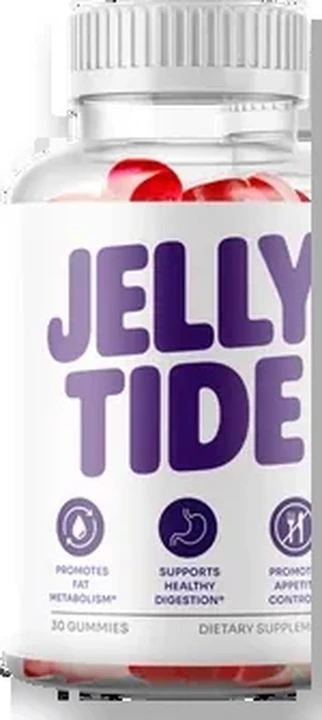
To be straight with you, the way this site always tries to be: JellyTide is not a protein powder and it is not a bulk fiber supplement. It is a once-daily apple cider vinegar and BHB jelly, a 525 mg blend of apple cider vinegar and beta-hydroxybutyrate calcium, magnesium and sodium, positioned around appetite and cravings. It will not hit your protein target for you, and if you want maximum soluble-fiber volume you should still get most of it from food. What it offers is a low-friction daily habit on the appetite side of the equation, in a format people actually keep up with, which is where most good intentions quietly die.
The honest way to think about it is layered. Protein, from food first and powder for convenience, does the hormonal heavy lifting and protects your muscle. Soluble fiber from vegetables, legumes and fruit adds the physical fullness and steadies your blood sugar. An appetite jelly like JellyTide sits on top as a small, consistent nudge rather than the foundation. Anyone who has weighed a scoop of protein against berberine's metabolic angle will recognise the pattern; we compared that route in our piece on berberine for weight loss versus a fiber jelly. The tools differ, but the ranking never changes: food and habit first, supplements as the finishing touch.
Medical note: this article is general wellness information, not medical advice, and it summarises published evidence rather than making a product claim. JellyTide is a dietary supplement, not a drug, and is not intended to diagnose, treat, cure or prevent any disease. Speak to a healthcare professional before starting any supplement or making a large change to your protein or fiber intake, especially if you are pregnant, nursing or taking medication.
Related reading
- Meal replacement shake vs a fiber jelly — convenience, calories and fullness compared.
- Berberine for weight loss vs a fiber jelly — the metabolic route versus the fullness route.
- How to curb your appetite naturally — the daily habits that make a deficit painless.
Frequently asked questions
Is protein or fiber better for fullness?
They work through different routes and are strongest together. Protein raises satiety hormones and blunts hunger between meals, while soluble fiber adds physical bulk and slows digestion during the meal itself. For lasting fullness, combine adequate protein with soluble fiber rather than choosing one over the other.
Can I take protein and fiber together?
Yes, and it is one of the most effective satiety combinations. Protein handles the hormonal side of hunger and fiber handles the mechanical side, so a meal or shake containing both keeps you fuller than either alone. Add fiber gradually and drink enough water to avoid bloating.
Does protein powder suppress appetite?
Indirectly. Protein powder itself is not an appetite suppressant, but protein raises fullness hormones like GLP-1 and peptide YY and lowers the hunger hormone ghrelin, so a protein-rich shake tends to reduce how much you eat later. Whole-food protein does the same and usually costs less.
How much protein for fat loss?
Most evidence points to roughly 1.6 to 2.2 grams of protein per kilogram of body weight per day while in a calorie deficit, spread across meals. That range helps preserve muscle and control appetite; going far above it adds little extra benefit for fat loss.
Sources
- Kohanmoo A et al. — Effect of short- and long-term protein consumption on appetite and appetite-regulating gastrointestinal hormones: a systematic review and meta-analysis (Physiology & Behavior, 2020; PMID 32768415)
- Longland TM et al. — Higher compared with lower dietary protein during an energy deficit combined with intense exercise promotes greater lean mass gain and fat mass loss: a randomized trial (American Journal of Clinical Nutrition, 2016; PMID 26817506)
- Harvard T.H. Chan School of Public Health — Fiber
- Harvard T.H. Chan School of Public Health — Protein
- Mayo Clinic — choosing and using dietary supplements safely
Protein does its job. Add the rest.
Keep your protein habit, get your fiber from food, and let a once-daily appetite jelly handle the nudge. JellyTide's full Supplement Facts panel is transcribed on the home page; if the label answers your questions, the current offer is one click away.
Check availability and the current offer