Weight Loss Supplement Buyer's Guide 2026: How to Vet a Label Before You Buy
Quick Answer: What Should You Look For in a Weight Loss Supplement?
The best weight loss supplement is the one that tells you the truth on its label. Demand a fully transparent panel with exact milligrams per ingredient, doses that match published trials, no proprietary blends, third-party testing and modest claims. Anything promising effortless fat loss, or hiding its doses, is a pass.
- Transparency: every ingredient listed with its own milligram amount, not a lumped blend.
- Clinical dose: amounts that match what studies actually used, not token sprinkles.
- Honest claims: fiber-first support and appetite help, never "melt fat" promises.
There are more than 27,000 searches a month for the phrase weight loss supplement, and a shelf, physical or digital, stacked deep enough to make any of them feel impossible. This weight loss supplement buyer's guide exists to shrink that shelf to a manageable handful using a single skill: reading the label like a sceptic. You do not need a nutrition degree. You need five questions, applied in order, and the discipline to put a product back when it fails one of them. Master that and you will out-shop most people spending twice as much.
We will walk through label transparency, what a clinical dose really means, why proprietary blends deserve suspicion, how to price a supplement honestly, and why a fiber-first pick is usually the safest starting point. Along the way we will be candid about the ceiling on this entire category, because a guide that pretends supplements do the heavy lifting is not a guide worth reading.
Question one: is the label fully transparent?
Start at the back, never the front. The front of a weight loss supplement is advertising; the Supplement Facts panel is the closest thing you get to a contract. A transparent label names every active ingredient and gives its exact amount in milligrams or grams, per serving, with the serving size clearly stated. If you can read the panel and know precisely how much of each thing you are swallowing, the product has cleared the first and most important hurdle.
Two tricks defeat this. The first is the proprietary blend, which we will come to. The second is the misleading serving size: a label may quote a flattering per-ingredient number, then reveal that the "serving" is four capsules or two large gummies, doubling or quadrupling what you must take and what you pay to hit the dose on the panel. Always divide the panel by the serving and ask whether you will realistically take that much every day for a year. A dose you cannot sustain is a dose you are not getting.
Question two: are the doses actually clinical?
This is where most products quietly fail. An ingredient can have excellent research behind it and still do nothing in a given product if the amount is a fraction of what the studies used. The industry even has a name for this: "fairy dusting," adding just enough of a fashionable ingredient to justify printing it on the label, at a dose far below anything shown to work.
The defence is simple arithmetic. When an ingredient's benefit matters to you, look up the dose used in human trials and compare it to the milligrams on the panel. If a study used 3 grams and the product contains 200 milligrams, you are buying the name of the ingredient, not its effect. A short, honest formula dosed at studied levels beats a long, impressive-looking formula dosed at homeopathic levels every single time. Length of ingredient list is marketing; dose is reality.
Question three: is there a proprietary blend hiding the truth?
A proprietary blend lists several ingredients together under one combined weight, for example "Metabolic Blend 750 mg," without disclosing how much of each ingredient that 750 mg contains. Legally the ingredients must be listed in descending order by weight, but the actual split is a secret. That secrecy almost always works against you. A company confident in its doses has no reason to hide them; a company hiding them usually has front-loaded the blend with something cheap, like a filler or a stimulant, and put a pinch of the marquee ingredient at the back.
So yes, treat a proprietary blend as a red flag by default. It makes the clinical-dose check from question two impossible, which is precisely why it exists. There are rare cases where a blend protects a genuinely novel formulation, but for a mainstream weight loss supplement the far more likely explanation is that the numbers would embarrass the brand if you could see them. When two products look similar and only one discloses its per-ingredient doses, buy the one that trusts you with the truth.
Question four: are the claims honest or hysterical?
Language is data. A weight loss supplement that says it "supports appetite control alongside a reduced-calorie diet" is speaking within the law and within the evidence. One that says it "melts stubborn fat," "resets your metabolism" or "targets belly fat while you sleep" is telling you two things at once: it does not respect the regulations, and it does not respect you. Aggressive claims are inversely correlated with good formulation. The products that overpromise on the front are usually the ones with the most to hide on the back. The FTC's advertising guide for the supplement industry is the document that decides which of those two sentences is legal, and it is readable.
The confidence of the marketing and the quality of the formula tend to run in opposite directions. The louder the promise, the closer you should read the panel.
Watch specifically for disease language. In the United States a dietary supplement legally cannot claim to diagnose, treat, cure or prevent any disease. A product that implies it treats diabetes, obesity or any medical condition is either breaking the rules or hoping you will not notice the difference between a structure-function claim and a drug claim. That single distinction filters out a surprising amount of the shelf. The FDA dietary supplements hub sets out that boundary and what a structure-function claim is allowed to say instead.
Prefer a label you can actually check?
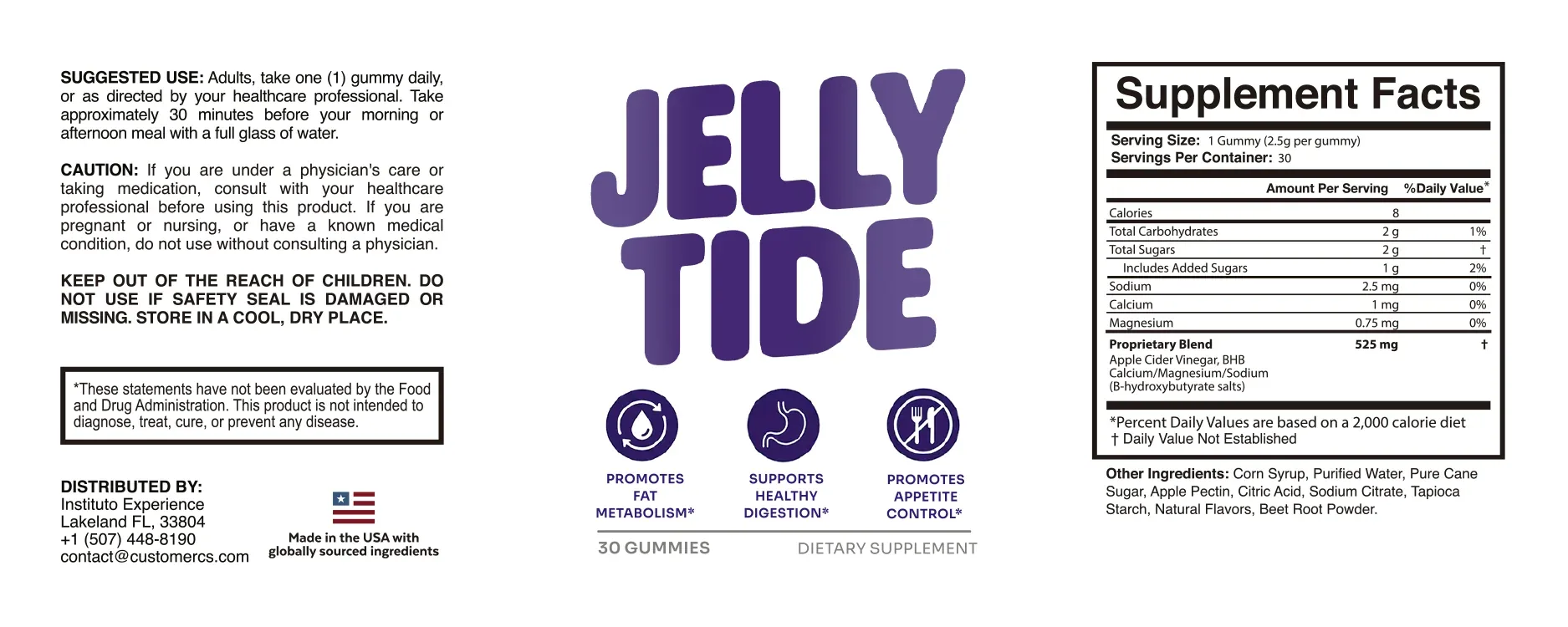
JellyTide publishes its full Supplement Facts panel, exact milligrams and all, with the arithmetic worked out in the open. If a transparent, fiber-first-friendly appetite jelly is what you are after, see how it is dosed and what the current offer looks like.
See the current JellyTide offerQuestion five: is it safe, tested and sensibly priced?
Three practical checks close out the process. First, third-party testing: look for verification from an independent lab or program (names like NSF or USP are the gold standard) confirming the product contains what the label says and nothing it should not. The supplement industry is regulated after the fact, not approved in advance, so independent testing is how a serious brand earns trust.
Second, price per studied dose, not price per bottle. A cheap bottle that requires four servings a day is expensive; a pricier bottle dosed once daily may cost less to run. Do the monthly maths. Third, interactions and personal fit: even a well-made supplement can be wrong for you if you are pregnant, nursing, on medication or managing a condition. That is a conversation with a clinician, not a gamble. We take exactly this label-first approach when we ask whether JellyTide actually works in our honest review, and it is the same lens we would want you to turn on any product, including ours.
| Check | Green flag | Red flag |
|---|---|---|
| Label | Every ingredient with exact mg | Proprietary blend, vague serving |
| Dose | Matches published trial amounts | A fraction of the studied dose |
| Claims | Modest, structure-function wording | "Melts fat," disease language |
| Testing | Independent third-party verification | No testing mentioned anywhere |
| Price | Reasonable per studied daily dose | Cheap bottle, four servings a day |
| Mechanism | Fiber, protein, appetite support | Mystery "fat-burning" stimulant stack |
Do weight loss supplements even work?
An honest guide has to answer this plainly. Most weight loss supplements do far less than their packaging implies, and a good number do nothing measurable at all. No pill, powder or gummy overrides a calorie balance; if you eat more than you burn, no supplement rescues you. What a small number of well-chosen ingredients can do is make the plan easier to hold: soluble fiber and adequate protein genuinely increase fullness, and a few ingredients modestly blunt the blood-sugar response to a meal. That is the realistic ceiling, a nudge, not a transformation, and it is worth exactly what a nudge is worth: something, if the rest of your plan is doing the work.
This is why the "fiber-first" framing keeps coming up. Among all the mechanisms marketed to shoppers, added fullness from soluble fiber has some of the strongest, least controversial human evidence, and almost none of the interaction and safety baggage that comes with stimulant fat-burners. If you are going to spend money in this category, spending it on a mechanism that is boring, well-supported and hard to get wrong is the percentage play. For a closer comparison of two of those mechanisms, our breakdown of protein powder versus a fiber jelly for fullness is the natural next read, and if you have seen the berberine hype, our look at berberine for weight loss versus a fiber jelly applies the same scrutiny to that trend. Harvard's fibre overview is the plainest summary of why, and of how far short of the recommended intake most adults fall.
How JellyTide scores against its own checklist
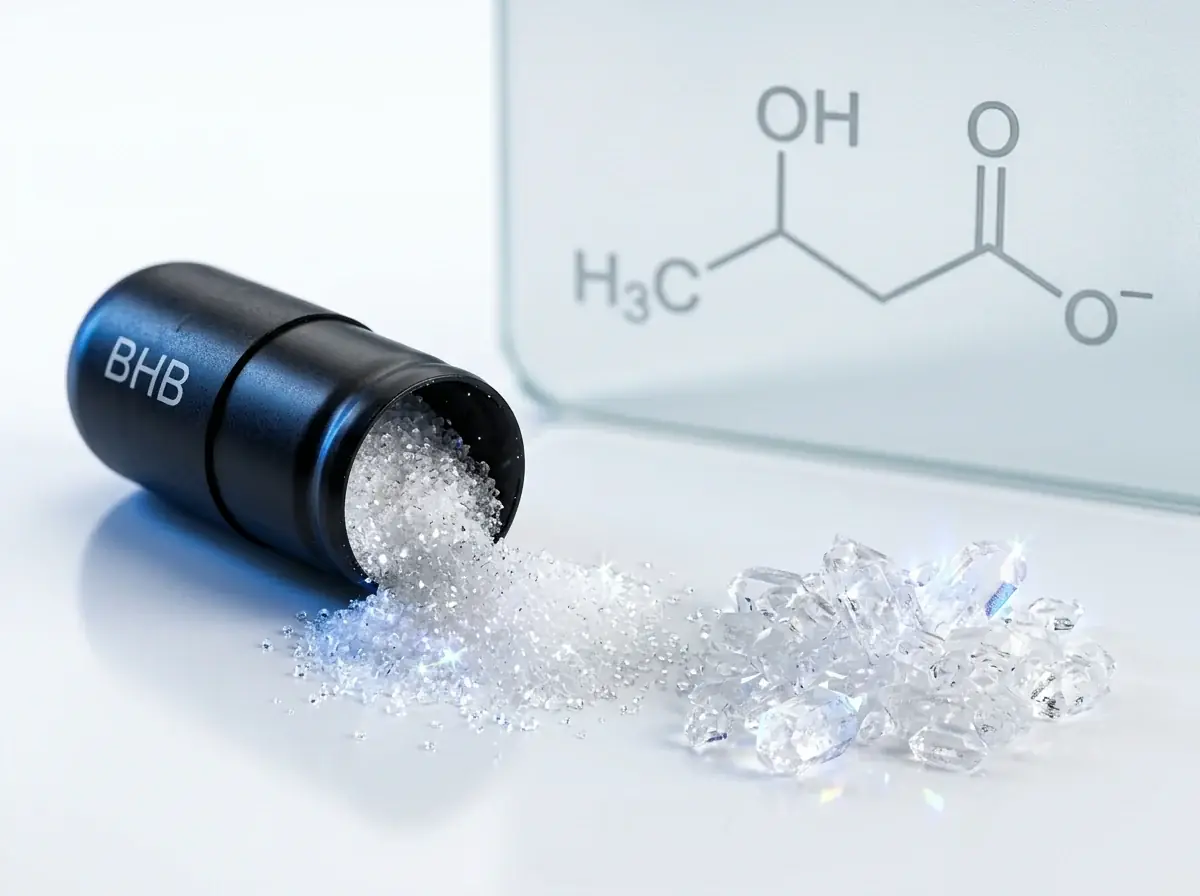
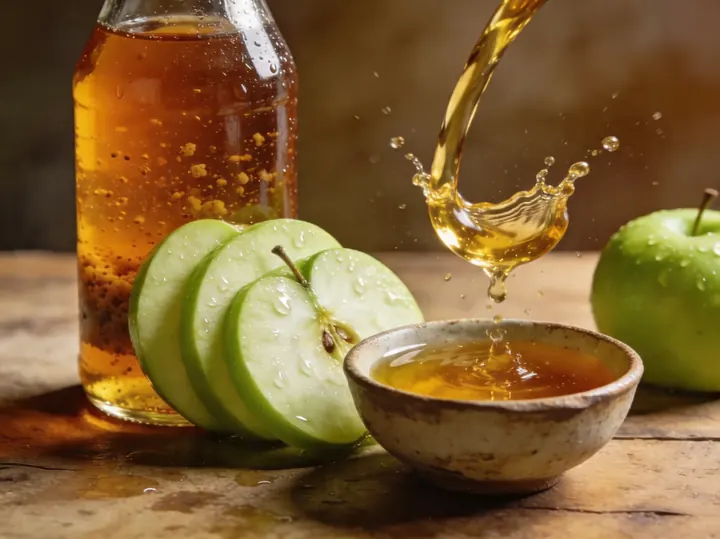
Fairness means grading ourselves by the same five questions. JellyTide is a once-daily apple cider vinegar and BHB jelly with a 525 mg blend of apple cider vinegar and beta-hydroxybutyrate calcium, magnesium and sodium. On transparency it does well: the full panel is published and transcribed, including the honest arithmetic on how much of that 525 mg can be ketone salt. On claims it stays inside the lines, positioning around appetite and cravings rather than fat-melting. On format it scores on adherence, because a once-daily jelly is easy to keep up.
Where we tell you to stay sceptical: a 525 mg blend is not a megadose of anything, so do not expect it to out-muscle a dedicated, high-dose single ingredient on that ingredient's home turf. If your goal is maximum soluble-fiber fullness, you will still want most of your fiber from food or a dedicated fiber product; JellyTide is an appetite-support jelly, not a bulk fiber supplement. The point of this guide is not to sell you a hero pill. It is to make you the kind of shopper who can tell the difference between a product that respects the label and one that hopes you never read it. Apply the five questions to us as ruthlessly as to anyone else.
Medical note: this article is general wellness information, not medical advice, and it summarises how to evaluate products rather than making a health claim. JellyTide is a dietary supplement, not a drug, and is not intended to diagnose, treat, cure or prevent any disease. Speak to a healthcare professional before starting any supplement, especially if you are pregnant, nursing or taking medication.
Related reading
- Over-the-counter weight loss pills explained — what the drugstore aisle can and cannot do.
- Best weight loss pills vs a fiber jelly — matching the mechanism to your actual problem.
- Does JellyTide work? An honest review — the same checklist turned on our own product.
Frequently asked questions
What should I look for in a weight loss supplement?
Look for a fully transparent label that lists every ingredient with its exact milligram amount, doses that match what studies actually used, no proprietary blends hiding the split, third-party testing, and modest, honest claims. If a product promises effortless fat loss or hides its doses, treat that as a reason to walk away.
Do weight loss supplements work?
Most do far less than their marketing implies. A few ingredients have modest, real effects on appetite or blood-sugar response, but no supplement replaces a calorie deficit. The best you can realistically expect is a small nudge that makes a fiber-first, higher-protein plan slightly easier to stick to.
Are proprietary blends a red flag?
Usually yes. A proprietary blend lists one combined weight for several ingredients without telling you how much of each you are getting, which makes it impossible to know whether any single ingredient reaches a clinical dose. Transparent per-ingredient labelling is the safer choice.
What counts as a clinical dose?
A clinical dose is the amount an ingredient was actually studied at in human trials, not a token sprinkle added for label appeal. Compare the milligrams on the panel against the doses used in published research; if the product contains a fraction of the studied amount, do not expect the studied effect.
Sources
- U.S. Food and Drug Administration — Dietary Supplements overview
- NIH Office of Dietary Supplements — Dietary Supplements for Weight Loss
- Federal Trade Commission — supplement advertising guidance
- Harvard T.H. Chan School of Public Health — Fiber
- Mayo Clinic — choosing and using dietary supplements safely
Read the label, then decide
Now that you can vet any panel, put ours to the test. The complete JellyTide Supplement Facts panel is transcribed and photographed on the home page. If the label answers your five questions, the current offer is one click away.
Check availability and the current offer